
What to Expect at Your Wedding Dress Fitting: A Bride’s Complete Guide
The moment you step into your wedding dress fitting, everything starts to feel real. This is where your gown begins its transformation from a beautiful dress into your dress. Unlike shopping appointments, a wedding dress fitting is focused on fine-tuning, comfort, and ensuring every detail works for your body, your movement, and your wedding day timeline.
Knowing what to expect at your wedding dress fitting helps you feel prepared, confident, and relaxed throughout the process. From what happens during your first fitting to how many fittings you may need, this guide walks you through each step so there are no surprises along the way.
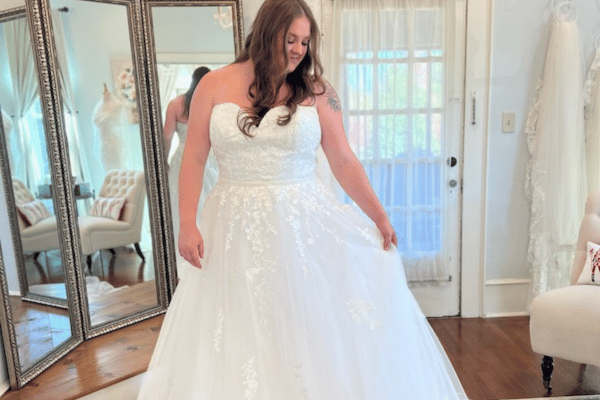
What a Wedding Dress Fitting Actually Is
A wedding dress fitting is not about choosing your dress. That decision has already been made. Instead, fittings are dedicated appointments where your gown is adjusted to fit your body precisely. Even if your dress feels close to perfect when you try it on for the first time, alterations are almost always needed.
Your body is unique, and wedding dresses are made to standard sizing. A wedding dress fitting bridges that gap, ensuring the dress complements your shape, proportions, and movement.
During a fitting, you can expect your seamstress or bridal consultant to assess areas such as:
Bust, waist, and hip fit
Hem length based on your shoes
Strap and sleeve placement
Back closure adjustments
Overall comfort and balance
Each fitting builds on the previous one, gradually refining the fit until your gown feels natural and secure.
When Your Wedding Dress Fittings Typically Begin
Most brides begin their wedding dress fitting appointments about two to three months before the wedding day. This allows enough time for multiple fittings while accounting for any last-minute adjustments.
Your fitting timeline may depend on:
Your wedding date
The complexity of the dress
The number of alterations needed
Whether your weight or measurements may change
Starting too early can result in a dress that no longer fits by the wedding day, while starting too late can create unnecessary stress. Your consultant will help guide you on the ideal timing for your situation.
How Many Wedding Dress Fittings to Expect
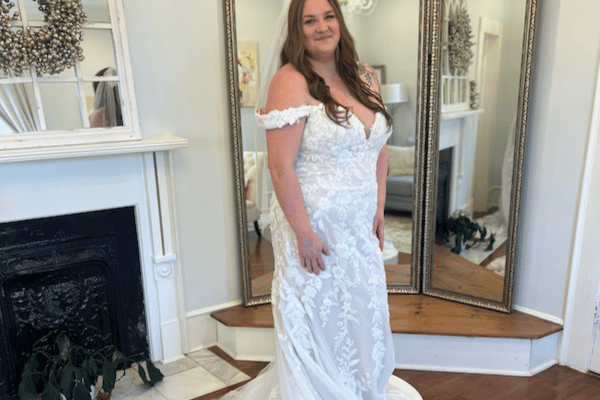
Most brides attend two to three wedding dress fitting appointments. Each one serves a specific purpose.
First Fitting
Your first wedding dress fitting is the most detailed. This is where the majority of adjustments are identified. The dress will be pinned and marked to reflect how it should fit your body.
At this stage, you may notice:
Loose or tight areas being adjusted
Hem length being measured
Straps or sleeves being shortened or reshaped
Bust and waist areas being refined
The dress may feel unfinished, and that is completely normal.
Second Fitting
Your second fitting is about refinement. By now, most alterations have been completed, and you are checking the progress.
During this appointment, you will:
Try on the altered dress
Move, walk, and sit to test comfort
Confirm that adjustments feel right
Identify any final tweaks
This fitting helps ensure the dress feels secure and balanced from every angle.
Final Fitting
The final wedding dress fitting is the confirmation appointment. Your dress should feel complete and comfortable.
At this point, you will:
Try on the finished gown
Practice walking and turning
Confirm bustle placement if applicable
Address any minor last adjustments
Once this fitting is complete, your dress is ready for the big day.
What to Bring to Your Wedding Dress Fitting
Being prepared for your wedding dress fitting makes a big difference in the outcome.
You should bring:
Your wedding shoes or shoes with the same heel height
Undergarments you plan to wear on your wedding day
Any shapewear you intend to use
Accessories like veils or belts if you already have them
Wearing the correct foundation pieces ensures your dress is altered accurately. Even small differences in heel height or undergarments can affect how the gown fits.
What You Will Do During the Fitting
Your role during a wedding dress fitting is more important than you might expect. This is your opportunity to communicate how the dress feels on your body.
During the fitting, you will be asked to:
Stand naturally
Walk around the room
Sit and stand multiple times
Raise your arms and move freely
These movements help identify any areas that feel restrictive or need reinforcement. If something feels uncomfortable or awkward, speak up. Alterations are meant to improve how the dress feels as well as how it looks.
Common Alterations Made During a Wedding Dress Fitting
Almost every wedding dress requires some level of alteration. These adjustments are completely normal and expected.
Common alterations include:
Taking in or letting out the bodice
Shortening the hem
Adjusting straps or sleeves
Adding support in the bust area
Reshaping the neckline
Adding a bustle for the train
Each alteration is tailored to your body and your comfort, ensuring the gown feels secure throughout the day.
How Long a Wedding Dress Fitting Usually Takes
Most wedding dress fitting appointments last between 30 minutes and an hour. First fittings often take longer due to the number of measurements and adjustments needed.
You should plan to arrive on time and avoid scheduling anything immediately afterward. This allows you to focus fully on the fitting without feeling rushed.
Should You Bring Guests to Your Fitting
Unlike shopping appointments, wedding dress fittings are typically more practical than emotional. Many brides choose to attend fittings alone or bring just one trusted person.
If you bring someone, choose someone who:
Respects your vision
Understands the purpose of the fitting
Offers calm, supportive feedback
Too many opinions can be distracting during a fitting, where the focus should remain on fit and comfort.
What If Your Body Changes Before the Wedding
It is common for bodies to change slightly leading up to a wedding. This is one reason fittings are spaced out over time.
If you experience changes in weight or shape, your seamstress can adjust the dress accordingly during later fittings. Open communication helps ensure the dress still fits beautifully.
How to Know Your Dress Fits Correctly
A properly fitted wedding dress should feel secure without restricting your movement. You should be able to walk, sit, and dance without constantly adjusting the gown.
Signs of a good fit include:
The dress stays in place when you move
No pinching or pulling in key areas
Comfortable breathing and posture
Smooth lines through the bodice and skirt
Your dress should feel like an extension of you, not something you are managing all day.
Managing Expectations During the Fitting Process
It is important to remember that your dress may not look perfect during the first fitting. Pins, clips, and unfinished hems are part of the process.
Trust the expertise of your seamstress and consultant. Each fitting brings the dress closer to its final form.
Final Tips for a Smooth Wedding Dress Fitting Experience
Wear minimal makeup to avoid transferring onto the dress
Stay hydrated and eat beforehand
Be honest about how the dress feels
Ask questions if something is unclear
The more comfortable and communicative you are, the better your final result will be.
Where Your Dress Comes Together
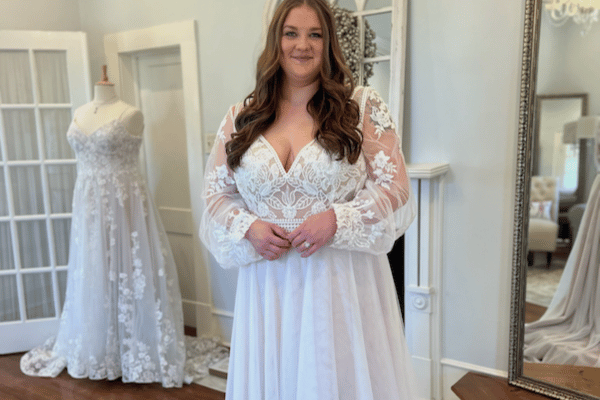
A wedding dress fitting is where your gown becomes truly yours. It is a collaborative process that blends craftsmanship, expertise, and your personal comfort.
When you attend your wedding dress fitting at Atlanta Street Bridal, you are supported by experienced professionals who understand how important every detail is. From your first fitting to the final appointment, the focus is on ensuring your dress fits beautifully and feels effortless on your wedding day.
Schedule your fitting with confidence, and enjoy watching your dream dress come to life, one adjustment at a time.
