
Wedding Dress Alterations: Does Your Dress Need Them?
You found the dress. You love the fabric, the silhouette, and the way it made you feel in the fitting room. But before you picture walking down the aisle, take a closer look at the fit. Even the most beautiful gown rarely fits perfectly straight off the rack. That is where wedding dress alterations come in.
Alterations refine the gown so it fits your body, your proportions, and your movement. They transform a dress that looks lovely into one that feels custom made. If you are unsure whether your gown needs adjustments, this guide will help you spot the signs and understand what to expect.
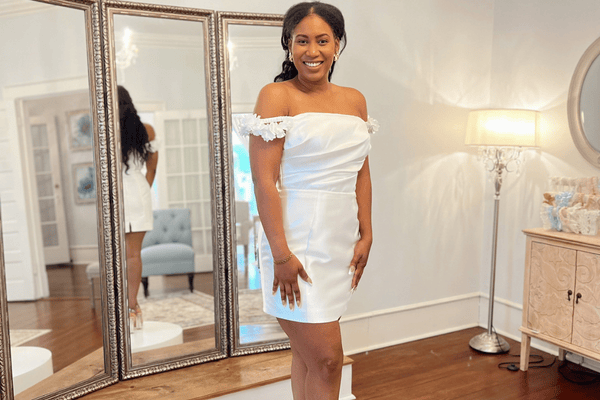
Why Wedding Dress Alterations Matter More Than You Think
Bridal sizing does not work like everyday clothing. Designers follow their own size charts, and structured fabrics leave little room for stretch. Even if you ordered the closest size to your measurements, small gaps or tight areas are common.
Wedding dress alterations allow you to:
Improve overall fit and comfort
Enhance your natural shape
Adjust length for your height and shoes
Personalize sleeves, straps, or neckline
Create smoother lines under delicate fabrics
A gown that fits correctly photographs better, feels better, and moves better. You will notice the difference immediately.
Signs Your Wedding Dress Needs Alterations
Some signs are obvious. Others are subtle. Pay attention to how the dress looks and how it feels when you move.
1. The Bust Area Gapes or Feels Too Tight
If the neckline shifts when you lean forward, the bodice likely needs adjustment. Gaping at the bust can show in photos and feel distracting throughout the day.
On the other hand, if you feel restricted when breathing or sitting, your seamstress may need to let out the bodice. Structured gowns should feel secure but not uncomfortable.
Wedding dress alterations often include reshaping cups, adjusting seams, or repositioning straps for proper support.
2. The Waist Does Not Sit at the Right Spot
Your natural waist has a specific position on your torso. If the gown’s waistline sits too high or too low, it can change your proportions.
A waistline that sits too low can create bunching. One that sits too high may shorten your torso visually. A seamstress can raise or lower the waist slightly to align with your body.
This adjustment makes a significant difference in how balanced the gown looks.
3. The Hips or Thighs Feel Tight
Fitted silhouettes such as mermaid or fit-and-flare styles require precise shaping. If the fabric pulls across your hips or thighs, you may see horizontal wrinkles.
You should be able to walk, sit, and turn comfortably. If movement feels restricted, the gown likely needs room added through the seams.
Wedding dress alterations in this area focus on comfort without losing the intended silhouette.
4. The Hem Is Too Long
Almost every wedding gown needs hemming. Bridal designers create dresses with extra length to accommodate different heights and heel choices.
If the hem pools excessively or causes you to step on the dress, it requires adjustment. Your seamstress will measure the length with your actual wedding shoes.
Keep in mind that certain fabrics, such as lace or layered tulle, require more detailed hemming work.
5. The Train Feels Unmanageable
A dramatic train looks stunning during the ceremony but can become heavy during the reception. If you plan to dance, you will likely need a bustle.
A bustle lifts and secures the train so you can move freely. There are different bustle styles depending on your gown’s structure. Your seamstress will recommend a bustle that blends seamlessly into the design.
6. Straps Keep Slipping
If you constantly adjust your straps during fittings, they likely need shortening. Straps that sit too long can change the neckline shape.
Correct strap length improves support and keeps the bodice secure throughout the day.
7. You Notice Wrinkles in Certain Areas
Not all wrinkles signal a fabric issue. Some indicate fit problems.
Horizontal wrinkles often mean the area feels too tight. Vertical wrinkles may suggest excess fabric. A trained seamstress understands how to smooth these lines through careful seam adjustments.
What Wedding Dress Alterations Typically Include
Not every bride needs extensive changes. Some gowns require minor refinements, while others need detailed tailoring.
Here are common types of wedding dress alterations:
Hemming
Adjusting the length ensures the gown just grazes the floor with your shoes on. The goal is elegance without tripping.
Taking In or Letting Out
Seam allowances allow small size adjustments. Most gowns can be taken in more easily than let out.
Bustle Creation
This adds functionality without compromising style.
Strap or Sleeve Adjustments
Straps can be shortened, reshaped, or reinforced. Sleeves can be tapered for a cleaner line.
Adding Custom Details
Some brides add modesty panels, buttons, or sleeves. Others adjust necklines or back designs.
Every change requires precision. Wedding gowns often feature delicate fabrics, boning, lace appliqués, and beadwork.
When Should You Start Wedding Dress Alterations?
Timing matters. Most brides begin alterations about eight to twelve weeks before the wedding. This allows enough time for multiple fittings.
You typically need two to three appointments:
Initial fitting for pinning and measurements
Follow-up fitting to review changes
Final fitting for small refinements
If you expect your weight to change, communicate that clearly with your seamstress.
Avoid scheduling alterations too early. Bodies naturally fluctuate, and starting too soon can require extra adjustments later.
How the Right Fit Changes Everything
A properly altered gown supports you physically and emotionally.
You stand taller and move confidently. You stop thinking about the dress and focus on the moment.
Wedding dress alterations ensure the gown feels secure during hugs, photos, dancing, and walking down the aisle. Comfort and confidence go hand in hand.
Questions to Ask During Your Alteration Appointment
Go into your fitting prepared. Bring your shoes, undergarments, and accessories.
Ask:
Will this silhouette allow comfortable movement?
How will the bustle look when secured?
Can this area be softened or shaped more closely?
How many fittings will I need?
Clear communication helps you achieve the result you envision.
How to Tell If Alterations Are Minor or Extensive
Minor alterations include hemming, strap adjustments, and slight taking in at the waist.
More extensive wedding dress alterations may involve reshaping the bodice, modifying sleeves, or adjusting intricate lace placement.
If your gown requires significant changes, allow additional time and budget accordingly.
The complexity depends on fabric type, construction, and embellishments.
Fabric and Construction Impact Alterations
Not all materials behave the same way.
Satin shows seam lines clearly, requiring precision.
Chiffon flows easily but shifts during cutting.
Lace must align perfectly after hemming.
Beaded gowns require careful removal and reattachment of details.
Understanding fabric structure ensures realistic expectations.
Emotional Signs You May Need Alterations
Fit is not only physical. It is emotional.
If you feel slightly unsure about how the dress looks on you, trust that instinct. Even small adjustments can elevate the overall appearance.
Budgeting for Wedding Dress Alterations
Alterations are a standard part of the bridal process. Costs vary depending on the level of work needed.
Keep in mind:
Detailed lace or beading increases labor time
Multiple layers increase hemming complexity
Custom additions require extra craftsmanship
Ask for a clear estimate at your first fitting.
Planning ahead prevents stress later.
Common Myths About Wedding Dress Alterations
“If I Ordered My Size, I Will Not Need Alterations.”
Most brides still require adjustments. Bridal sizing rarely aligns perfectly with your body.
“Alterations Are Only About Making the Dress Smaller.”
Alterations refine shape, support, and length. They enhance structure, not just size.
“I Can Skip the Final Fitting.”
The final fitting ensures everything sits correctly after adjustments. Skipping it risks discomfort on your wedding day.
The Confidence Factor
The best wedding photos capture genuine joy. A well-fitted gown allows you to focus on that joy.
Wedding dress alterations eliminate distractions. You will not tug at straps or worry about stepping on your hem. Instead, you will feel steady and secure.
Final Thoughts on Wedding Dress Alterations
Wedding dress alterations are not about changing your gown. They are about refining it to fit your body, your movement, and your comfort. Even small adjustments can transform how your dress looks and feels.
When your gown fits correctly, you stop thinking about it. You move confidently, stand taller, and focus fully on your wedding day. The right alterations ensure your dress feels secure, balanced, and truly yours.
Alterations are a normal and important part of the process. Here’s exactly what to expect at your wedding dress fitting so there are no surprises.
Begin Your Dress Journey at Atlanta Street Bridal
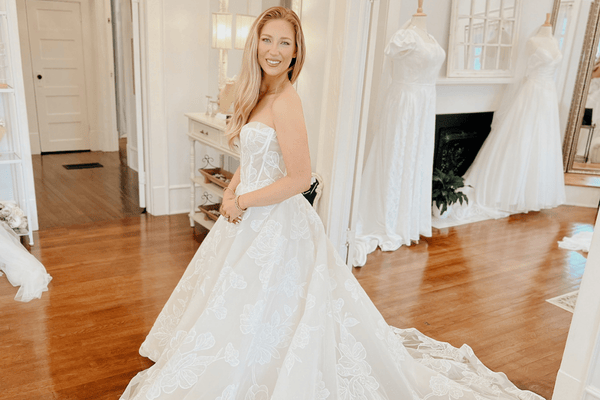
If you are ready to start your dress shopping journey, Atlanta Street Bridal offers a curated collection of designer gowns in a welcoming, personalized setting. Our team helps you find a silhouette that flatters your shape and reflects your vision from the very first appointment.
When you are ready to find the one, book your appointment with us. We look forward to helping you choose a gown you love and guiding you through every step that follows.