
Wedding Dress Sizes Explained: Bridal Sizing vs Street Size
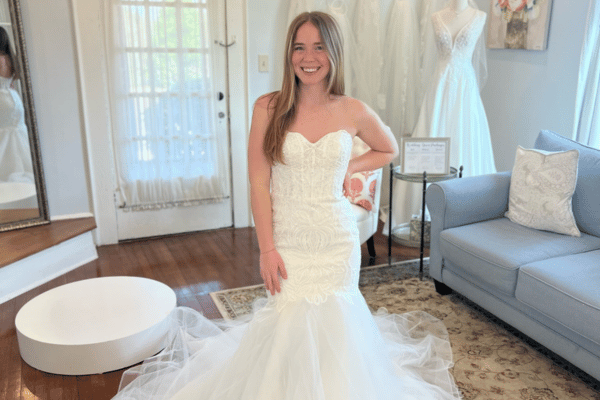
Understanding wedding dress sizes can feel confusing, especially when the number on a bridal gown does not match your usual clothing size. Many brides walk into a fitting room expecting one size, only to realize bridal sizing works very differently from everyday fashion.
Wedding gowns follow separate sizing charts, which often makes wedding dress sizes run smaller than standard street sizes. That is why your bridal size may look higher than what you normally wear.
This guide explains how wedding dress sizes work, why bridal sizing feels different, and what measurements matter most when choosing your gown. You will also learn what to expect during fittings and how to avoid common sizing mistakes while shopping.
Why Wedding Dress Sizes Are Different from Street Sizes
Most everyday clothing sizes feel fairly predictable. If you wear a certain size in one brand, you can usually expect a similar fit in another. Bridal sizing works differently, which is why many brides feel surprised when they first try on wedding gowns.
Wedding Dress Sizes vs Street Size: What Changes
Bridal gowns are usually sized differently from everyday clothing. Because of this, your wedding dress size may be one or two sizes higher than the size you normally wear. Different designers and gown structures can also affect how the size fits.
This happens for a few reasons:
Bridal gowns use older sizing standards that have not shifted much over time
Designers structure dresses differently to support fabrics like satin, tulle, and lace.
Designers prioritize fit through alterations rather than flexible sizing
You are not expected to “fit the number.” Instead, the gown gets shaped to fit you.
That shift in mindset matters more than the number on the label.
How Wedding Dress Sizes Actually Work
Most brides expect sizing to feel consistent, but bridal sizes can change from one designer to another. Different dress styles can also fit differently, even if the gowns look similar.
Understanding Wedding Dress Sizes Across Designers
Every bridal designer uses a size chart based on specific body measurements. These charts usually include:
Bust
Waist
Hips
Bridal size charts usually follow different measurements than everyday clothing. Your wedding dress size may look higher than the size you normally wear.
For example, if you usually wear a size 6, you may try on a bridal size 8, 10, or 12 depending on the designer.
Why Measurements Matter More Than Numbers
During bridal fittings, stylists focus more on your measurements than your usual clothing size. They compare your numbers to the designer’s size chart to find the best fit.
This helps determine:
The closest sample size for try-on
The recommended size to order
Your street size becomes secondary. Your measurements become the guide.
Why Your Wedding Dress Size Might Feel “Larger”
It is completely normal to feel surprised when your bridal size does not match your usual clothing size. Many brides pause for a moment when they first hear their wedding dress size from a stylist.
The Psychology Behind Bridal Sizing
Numbers can feel personal, especially in fashion, but bridal sizing is not meant to reflect your body or shape. It is simply a technical system used for ordering gowns.
Designers do not create your dress to match a standard size. Instead, they shape and alter it to fit you.
That is why bridal consultants focus more on:
Fit across the bust and waist
Balance in silhouette
Comfort and movement
The number simply supports the process.
Sample Gowns and Why They Feel Different
Most bridal shops carry sample sizes that are often smaller than standard ready-to-wear clothing. If a sample feels too tight or too loose, it does not reflect your true size. Sample gowns help you see how a dress looks and moves on your body, while your stylist orders the final gown based on your measurements.
How Bridal Boutiques Choose Your Wedding Dress Size

If your measurements sit between sizes, stylists typically recommend choosing the larger size.
This allows room for:
Alterations at the waist or bust
Comfortable movement
Adjustments for posture changes during fittings
Choosing the larger size also gives your seamstress more flexibility, since it is always easier to take a dress in than to let it out.
Why Alterations Matter More Than the Label
Designers build bridal gowns with structure, so seamstresses can adjust the fit without changing the design.
Alterations can adjust:
Hem length
Waist shaping
Bust support
Strap placement
Overall silhouette balance
Your final fit comes together during alterations, not at the factory.
Wedding Dress Sizes and Different Silhouettes
Your dress shape also affects how sizing feels. Even in the same size, different silhouettes can fit in very different ways.
Structured Gowns vs Flowing Styles
Structured gowns like ball gowns or fitted mermaid styles rely on precise measurements. They often feel more true to size in the bust and waist because of built-in support.
Flowing silhouettes like A-line or chiffon dresses feel more flexible. These styles are usually more forgiving in wedding dress sizes, especially around the hips.
How Fabric Affects Fit
Fabric plays a major role in how sizing translates on your body:
Satin and Mikado feel firm and structured
Lace offers slight flexibility depending on layering
Tulle and chiffon create softness and movement
Different fabrics fit your measurements in different ways, so two dresses in the same size can still feel very different.
What Brides Should Know Before Trying on Gowns
Trying on gowns for the first time feels exciting, but a little preparation helps you get clearer results during your appointment.
Wear the Right Undergarments
Wear or bring undergarments similar to what you plan to wear on your wedding day. This helps your consultant see how your wedding dress fits.
Keep an Open Mind About Sizes
Avoid focusing on the number inside the gown. Instead, pay attention to:
How supported you feel
How the dress moves with your body
How confident you feel in the silhouette
The right dress often feels perfect in ways the size label cannot predict, and that feeling matters more than any number.
Expect Small Adjustments
Even a perfectly ordered gown still needs tailoring. Small adjustments are a normal part of the process and help ensure the gown fits comfortably and beautifully.
Why Bridal Sizing Confusion Is Completely Normal
Most brides walk into a boutique expecting street sizing to apply, which is why wedding dress sizes can feel unfamiliar at first. Once you understand bridal sizing, the confusion usually fades, and you start to see sizing as a guide rather than a personal label. The goal is not to match a number, but to achieve the right fit through structure, tailoring, and expert guidance.
Moving Beyond the Size Label
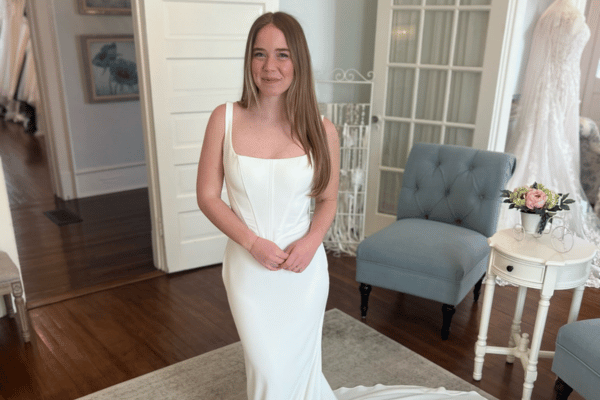
Once you move past sizing expectations, fittings feel more enjoyable. You stop comparing sizes and start focusing on how each gown feels on you. A well-fitted dress supports your posture, enhances your silhouette, and lets you move comfortably through your wedding day. That confidence matters more than any size tag. Bridal sizing is only a starting point, and the final result comes together through the process.
Find Your Wedding Dress at Atlanta Street Bridal
Understanding wedding dress sizes helps you approach bridal shopping with clarity instead of stress. Once you know how sizing differs from everyday clothing, the process becomes smoother and far more enjoyable. You stop chasing numbers and start focusing on fit, comfort, and personal style.
At Atlanta Street Bridal, the focus stays on helping you navigate sizing with ease from your very first fitting. Your stylist guides you based on your actual measurements and gives expert recommendations to help you order and tailor a gown that suits your shape beautifully. Each step supports a clear, personalized experience.
Book an appointment with us to explore different silhouettes and find a gown that feels right for your wedding day.